
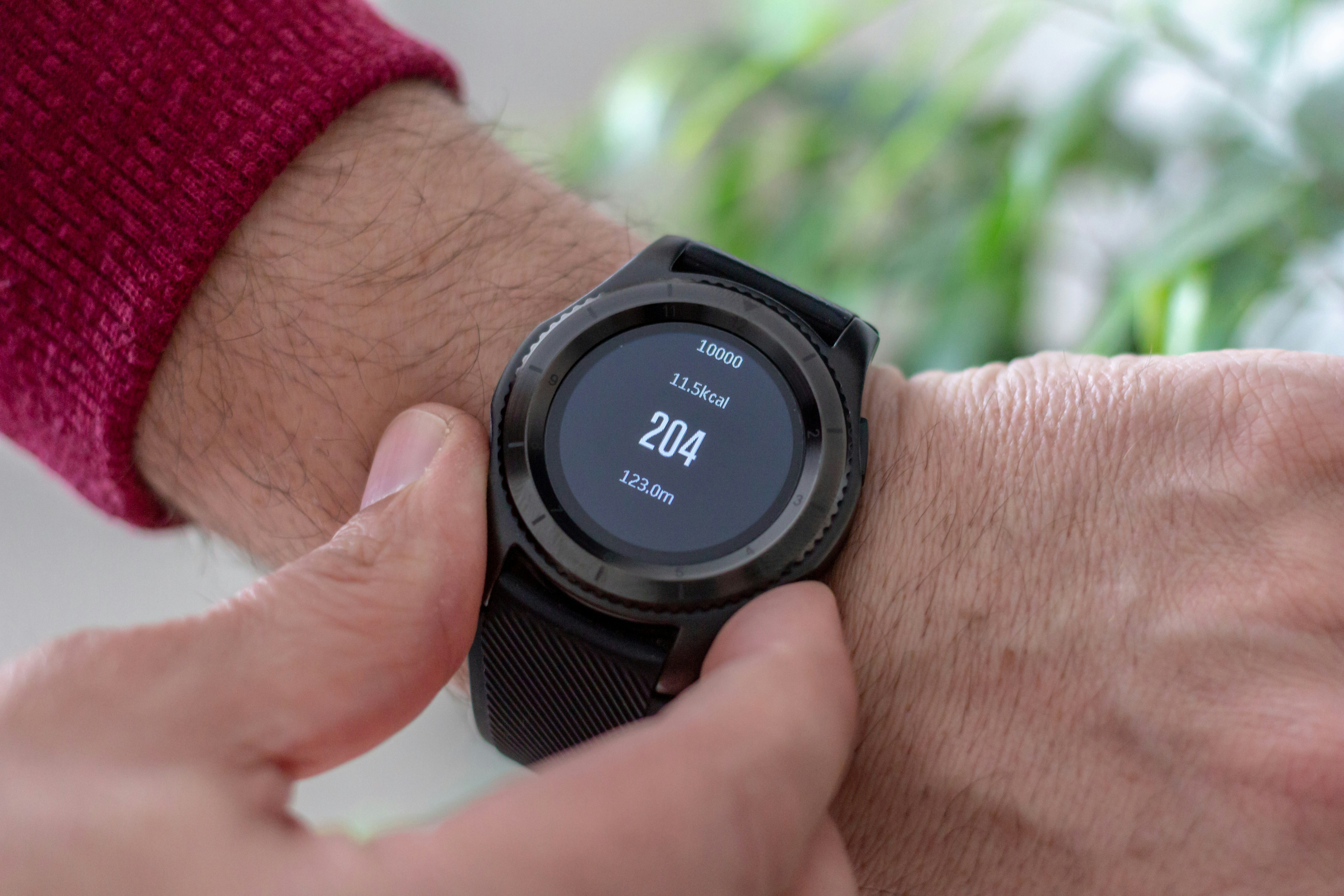
Introduction to Smartwatches and Fitness Trackers in 2025
As we transition into 2025, the landscape of smartwatches and fitness trackers reflects significant advancements that have occurred over the last few years. These devices have evolved from simple timekeepers into sophisticated wearable technology, reshaping how we approach health, fitness, and daily connectivity. Wearables have garnered increasing acceptance among consumers, primarily due to enhanced functionalities and improvements in user experience.
The evolution of smartwatches and fitness trackers has been marked by innovations like more accurate health monitoring capabilities, which now include not only basic heart rate tracking but also advanced features such as blood oxygen levels, stress monitoring, and even ECG readings. This shift towards comprehensive health management has positioned these devices as essential tools for maintaining personal wellness. Moreover, their integration with mobile applications allows for a more personalized approach to fitness goals, training regimes, and dietary adjustments.
In terms of design, manufacturers are placing greater emphasis on aesthetics, creating stylish options that appeal to a broader audience. The incorporation of high-quality materials and customizable bands allows users to express their individual styles while benefiting from the technological prowess of these devices. The weight and bulkiness that were once associated with early wearable technology have been mitigated, resulting in slimmer and more comfortable designs that can be worn throughout the day without inconvenience.
Connectivity features have also markedly improved, with smartwatches now capable of seamless integration with various other devices, thereby streamlining communication and information access. This interconnectedness enhances lifestyle management, giving users the ability to receive notifications, listen to music, and even control smart home devices directly from their wrists.
Overall, smartwatches and fitness trackers have positioned themselves as critical companions in today’s fast-paced world, catering to health-conscious individuals and tech enthusiasts alike. Their development reflects not only the technological advancements of our time but also a growing awareness of the importance of personal health and connectivity in everyday life.
Criteria for Selection
Choosing the best smartwatches and fitness trackers involves a thorough evaluation of several critical criteria. These selection parameters ensure that the devices stand out in terms of performance, usability, and overall user satisfaction.
First and foremost, functionality is paramount. A smartwatch or fitness tracker must offer features that go beyond timekeeping and basic fitness tracking. Key functionalities such as GPS tracking, heart rate monitoring, sleep analysis, and integration with health apps are essential. These features not only enhance fitness tracking capabilities but also contribute to a comprehensive understanding of a user’s health and wellness.
The design of these devices is another crucial aspect. Aesthetics play a significant role in user preference. The watch’s size, ergonomics, display quality, and customization options should appeal to a wide range of consumers. A device that is comfortable to wear and visually appealing will likely have greater acceptance among users, leading to better adherence to fitness goals.
Battery life cannot be overlooked, as it determines how often a user must recharge their device. Devices that boast extended battery longevity allow users to track their activities without frequent interruptions, which enhances the overall user experience.
Health features have gained increasing importance in recent years, particularly in the wake of heightened health awareness. Advanced health monitoring capabilities, such as ECG, SpO2 monitoring, and stress management tools, can significantly influence a user’s choice and satisfaction level.
Compatibility with other devices is also vital for seamless integration into a user’s digital ecosystem. A smartwatch or fitness tracker that can sync with various smartphones, tablets, and health platforms provides a versatile experience, fostering increased user engagement.
Lastly, user feedback and reviews serve as valuable resources in assessing the reliability and effectiveness of these devices. Positive endorsements from other consumers help to build trust in the selected products and guide potential buyers toward informed decisions.
Review of the Top 5 Smartwatches and Fitness Trackers
The first device on our list is the Apple Watch Series 9. Known for its seamless integration with iOS devices, this smartwatch features a brighter display and improved battery life. Notable attributes include comprehensive health tracking, a variety of customizable bands, and a robust app ecosystem. While it is lauded for its functionality, its premium price point may be a drawback for some users, making it most suitable for Apple smartphone owners seeking a versatile, high-end smartwatch.
Next, we have the Samsung Galaxy Watch 6. This device is designed for Android users and boasts a sleek design alongside a vibrant AMOLED display. Its standout features include advanced fitness tracking capabilities and health monitoring options, such as ECG and blood pressure measurements. The major advantage of the Galaxy Watch 6 is its compatibility across various Android devices, though its battery life might not last as long as competitors, positioning it better for users who prioritize health metrics.
The Fitbit Charge 6 ranks third, specializing in fitness and wellness tracking. Its minimalistic design houses impressive features like sleep tracking, heart rate monitoring, and a built-in GPS. Users enjoy its long battery life and user-friendly app interface. However, it is less feature-rich compared to a full smartwatch, making it a perfect choice for fitness enthusiasts seeking a focused tracker rather than a multifunctional smartwatch.
Our fourth pick is the Garmin Venu 3. Primarily targeted towards outdoor activities and fitness, this watch offers exceptional GPS accuracy and a host of sports modes. It also includes health metrics such as body battery and advanced sleep tracking, making it an excellent option for athletes and fitness-focused individuals. However, its bulkier design might not appeal to all users.
Lastly, the Huawei Watch Fit 3 presents an entry-level option with a charming aesthetic. Its vibrant display, alongside fitness tracking features like a SpO2 monitor and workout animations, makes it a user-friendly device. Despite limited third-party app support, it offers great value for money, targeting casual fitness enthusiasts who appreciate style and basic tracking functionalities.
Future Trends in Smartwatches and Fitness Trackers
The market for smartwatches and fitness trackers is poised for significant growth and innovation in the years to come. As we look beyond 2025, several trends are anticipated to shape the landscape of wearable technology. One primary area expected to see advancements is health monitoring. Enhanced sensors will likely emerge, enabling more precise tracking of various metrics such as heart rate variability, oxygen saturation, and even stress levels. These improvements will not only offer users deeper insights into their health but also support preventive healthcare measures.
Artificial Intelligence (AI) integration is another trend that will redefine the functionality of smartwatches and fitness trackers. By leveraging machine learning algorithms, these devices could provide personalized health and fitness recommendations, adapting to each user’s unique patterns and behaviors. AI could also enhance the user experience by enabling voice commands and more intuitive interfaces, making it easier for users to interact with their devices in a seamless manner.
Connectivity features are expected to be enhanced as manufacturers strive to integrate their wearables with more smart home devices and the Internet of Things (IoT). Future smartwatches may facilitate real-time interaction with home automation systems, allowing users to control lighting, temperature, and security systems directly from their wrist. Furthermore, with advancements in communication technologies, such as 5G, users will benefit from improved data speeds and connectivity, thereby making their smartwatches and fitness trackers more functional and efficient.
As consumer preferences evolve, we may see a shift towards more customizable designs and functionalities in smartwatches and fitness trackers. A focus on aesthetics, sustainability, and adaptability will drive brands to innovate continuously. Ultimately, the future of these devices appears to be intertwined with consumer needs, technological advancements, and the broader context of health and wellness priorities.
![Apple Watch Series 9 [GPS 45mm] Smartwatch with Midnight Aluminum...](https://m.media-amazon.com/images/I/41SY6xY5hkL._AC_.jpg)
- CARBON NEUTRAL — An aluminum Apple Watch Series 9 paired with the latest Sport Loop is carbon neutral. Learn more about …
- WHY APPLE WATCH SERIES 9 — Your essential companion for a healthy life is now even more powerful. The S9 chip enables a …
- ADVANCED HEALTH FEATURES — Take an ECG anytime. Get notifications if you have an irregular heart rhythm. See how much ti…

- KEEP YOUR GOALS ON TRACK: Workout to your full potential with fitness tracking* on Galaxy Watch6; Get insights on durati…
- FIND YOUR ZONE: Zone in on the results you want with personalized heart rate zones**; Watch scans your health data to pr…
- SLEEP COACH ON YOUR WRIST: Get the insights to develop better sleep habits with Advanced Sleep Coaching*; Use Watch to p…

- Enduring Battery Life: Keep moving with a 7-day battery life and water resistance for all your activities, rain or shine…
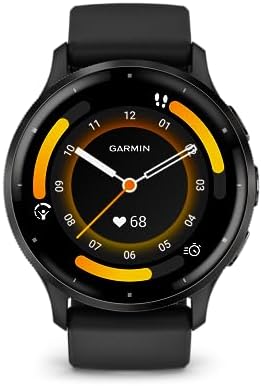
- EXTENDED BATTERY LIFE – Enjoy up to 14 days of smartwatch mode or 26 hours in GPS mode, ensuring your Garmin Venu 3 keep…
- ADVANCED GPS TRACKING – Utilize multi-GNSS support (GPS, GLONASS, and Galileo) for precise positioning, speed, and dista…
- 24/7 HEALTH MONITORING – Track heart rate, respiration, blood oxygen saturation, sleep score, and stress levels continuo…